Choosing Your Tools: Quilt Fabric
from bolt to beauty – don’t let Bad Fabric Ruin Your Quilt
Ever hear someone say “Use quilt shop quality fabric,” and wonder what exactly that means? It isn’t very clear to know what makes one fabric better than another. Choosing the right fabric for your quilt affects not only its appearance but also its durability, ease of sewing, and feel. Good fabric is an investment in your quilt’s durability and beauty.
Not all fabric is created equal, especially when it comes to quilting. The fabric you choose can make or break your quilt—impacting everything from piecing accuracy to longevity and softness. High-quality fabric is easier to sew, lasts longer, and results in a more beautiful finish.
Let’s take a step back and talk about where fabric quality really begins.
What is “Quilt Shop Quality” Fabric?
Before fabric gets printed, it’s just raw cotton known as greige goods (pronounced “gray”). Think of it like a blank canvas. The quality of that canvas depends on the thread count—how many threads are woven vertically (warp) and horizontally (weft) per square inch.
Generally, the higher the thread count, the better the fabric. Higher thread counts mean a tighter weave, a smoother surface, and better dye absorption. But that’s not the only factor. The quality of the threads themselves matters too! Finer, long-staple cotton threads produce stronger, softer fabrics.
Low-quality greige goods might have a thread count as low as 60 x 60, which is sometimes called “60 square.” These fabrics tend to be thin, stiff, and prone to shrinkage. Over time, they can wear out quickly—your batting might even start to poke through.
High-quality quilting cotton has a thread count of 68 x 68 or higher, and often uses long-staple cotton, giving it that nice soft feel. Some specialty fabrics—like PFD (prepared for dyeing), Pima cotton, cotton sateen, or batiks—can go as high as 220 thread count and often don’t shrink at all.
Before a manufacturer commits to a full run of fabric, they do test prints. And guess what they use for those tests? You guessed it—lower-quality greige goods.
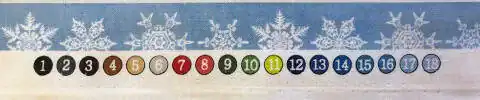
Check the selvage of your fabric. See those colorful dots? They are great to help you choose colors for your quilt, but that’s not why they are there. They help the manufacturer make sure the design and colors were printed correctly on the greige goods. If it passes the test, the manufacturer will complete the process by printing on higher quality cotton. This fabric isn’t just printed—it also goes through a finishing process that sets the dye, softens the fabric, and helps it hold its shape.
Test fabrics skip those final finishing steps to save money. Sometimes these test prints get sold off at a discount. They might become the flat folds you find in big-box stores or discount bins. While they might look like name-brand fabric, the weave may be thinner or irregular, the dye may fade, or the prints may be slightly off. If you hold the fabric up to light, you might be able to see through it. You might be able to rub off the color. Excessive fraying at the edges is a red flag. Conversely, if the fabric is too heavy, you will find it difficult to work with and your quilts will be stiff and uncomfortable.
Less expensive fabrics often skip those final finishing steps too. That’s why they may feel stiff, wrinkle easily, or bleed in the wash. This is especially common with trendy prints (like cartoon characters or seasonal fabrics) that are made quickly and cheaply for short-term use. It’s disappointing to think you’re getting a great deal, only to find the fabric frays, fades, or shrinks beyond repair. This is fabric I would definitely recommend prewashing. If it falls apart or fades in the wash, it will fall apart or fade in your quilt.
When you spend time and love making a quilt, it deserves to last. Using high-quality fabric makes everything easier—from cutting to sewing to quilting. Your seams will lie flatter, your blocks will stay square, and your quilt will hold up to years of use and washing.
You don’t need to buy the most expensive fabric out there, but you do want to choose wisely. Pick fabric that feels good in your hands and holds up to the light. (This is called “feeling the hand” of the fabric.) Good quilting fabric should be smooth, not waxy or limp. If it feels cheap, it probably is. When in doubt, trust reputable quilt shop brands. While not all big-box store fabrics are poor quality, quilt shops tend to carry more consistent, premium lines. Remember, if the price seems too good to be true, it often is.
Your future self—and your finished quilt—will thank you.
for more information
For more information, read Harriet Hargrave’s From Fiber to Fabric; the essential guide to quiltmaking textiles. It’s an excellent book that takes you from the cotton boll to the finished product. You’ll learn about the history of textiles, how fabrics are manufactured, prepared, and dyed; and how they are printed and finished. The book offers numerous tests to help you determine the quality of fabric.
related quilt tutorials
-
Shop
Mini Quilts For the Table Lap Quilts Throw Quilts Twin Quilts Queen Quilts King Quilts E-Books
-
How to Make a Center Stage Quilt
Fast and Easy Panel Quilt My friend Laurie and I needed a quilt for a Veterans presentation. This is NOT a Quilt of Valor, as…
-
How to Use a Twister Ruler to Make a Heart Quilt
The Twister Ruler Tool The Twister Ruler is a see-through ruler with only two lines. This ruler sits on two feet and is designed to…