The Dirty Truth About Clean Fabric
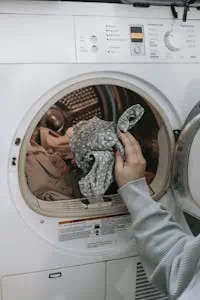
You’ve heard it a million times: wash your fabric before making a quilt. It stops fabric from shrinking and bleeding, and catches any bad behavior early—like raveling, going off-grain, or running away with the mailman. But do you really need to do it?
For this article, let’s define prewashing as treating your fabric the same way you’ll treat the finished quilt. Planning a baby quilt that’ll survive picnics and naptime disasters? Toss that fabric in the washer with your regular detergent and dry it at normal heat. Making an heirloom quilt that’ll be treated like royalty? Wash gently with mild soap (like a 1% Orvus solution) and line dry, or use your dryer’s gentle setting.
The Golden Rule
Here’s the most important thing: be consistent. Either prewash ALL your fabrics or don’t prewash any of them. Mixing prewashed and non-prewashed fabrics is like mixing oil and water—it just doesn’t work. If you’re storing fabric for future projects, wait to prewash until you’re ready to start sewing. Otherwise, you might accidentally mix the washed and unwashed fabrics later.
The Case FOR Prewashing
Shrinkage happens. Fabric typically shrinks 3% to 5% when washed. Getting this out of the way early means your finished quilt won’t surprise you by suddenly getting smaller after its first bath.
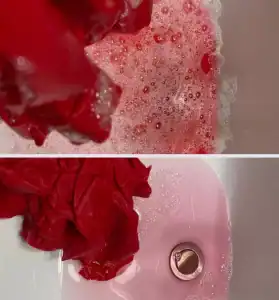
Color bleeding is real. Prewashing removes excess dye from darker colors, especially those sneaky reds and blues that love to bleed all over your beautiful whites. Fair warning though—prewashing doesn’t guarantee fabrics won’t bleed later, but it helps.
Chemical sensitivities matter. Some people react to the chemicals used in fabric manufacturing. Prewashing removes most of these.
Flannel is the wild card. Always prewash flannel unless you’re making a rag quilt. Flannel can shrink a lot, and if you mix it with regular cotton without prewashing both, you’ll have a wonky quilt on your hands.
Selvage edges are troublemakers.** After washing, trim off those selvage edges before cutting your fabric. They’re woven tighter than the rest of the fabric and shrink differently, which can pull your whole piece out of shape—especially bad news for panels.
Press while damp. You might need to press your fabric while it’s still slightly damp to get it back in shape.
The Case AGAINST Prewashing
Crisp fabric is a dream to work with. Unwashed fabric has that factory-fresh crispness that makes cutting and sewing more precise. Colors look richer too. If you love crisp fabric but want to prewash, use a little spray sizing when pressing to get some of that stiffness back.
Small pieces are a nightmare to prewash. Those cute pre-cut strips and charm squares? Don’t even think about washing them. They’ll ravel, twist, tangle, and might get eaten by your washing machine’s agitator.
Some quilters love the shrinkage effect. When a finished quilt shrinks during its first wash, it gets a lovely crinkled texture that many quilters adore.
Wall hangings get a pass. If your quilt will hang on a wall and never be handled much, it might never need washing at all.
When Fabrics Misbehave: The Bleeding Test
Before using questionable fabrics (especially in red and white quilts), do a simple test. Soak a small piece in cool, soapy water for 30 minutes. If the water changes color, you might want to use a product like Retayne to stop the bleeding. If the water stays clear, lay the fabric piece on a white paper towel until dry. If the towel is still white, you’re good to go. No, vinegar won’t work. Read why here.
If you do find bleeding, try Retayne before the first wash. When you’re ready to wash your finished quilt, separate lights and darks, use cool water on the gentle cycle, and choose a mild soap like QuiltWash or Orvus. Anecdotal evidence says that Dawn Pure works pretty well if you are handwashing. Shake out the fabric gently and check it for bleeding. If you need to wash it again, keep it wet and use a color catcher in the next wash. When you are sure the fabric won’t bleed any more, dry on low heat. Remove as soon as it’s dry, or while slightly damp if you want to press it.
Should You Wash a Finished Quilt?
Skip washing if it’s just dusty or musty. Hang it outside on a windy day—nature’s own dry cleaner. Worried about birds? Cover it with a sheet. For heirloom quilts that are dirty but not stained, try placing a screen over the quilt and vacuuming with the soft brush attachment.
Do wash if it’s dirty or stained. Stains aren’t just ugly—they can actually weaken fabric over time through chemical reactions and moisture retention. Some stains are invisible at first (like sugary spills or organic matter) but will show up later and attract bugs. Nobody wants moths making a snack of their quilt.
Never, ever dry clean a quilt. Despite the name, dry cleaning isn’t dry at all. Unless you find a special archival dry cleaner, your precious quilt will take a bath in the same chemical soup as everyone else’s gravy-stained clothes. It might come out clean, but it’ll have a much shorter life.
The Bottom Line
There’s no right or wrong answer to the prewashing debate. It depends on your project, your preferences, and how you plan to use your quilt. The most important thing is to be consistent within each project and make an informed choice based on what matters most to you—whether that’s color richness, ease of sewing, or peace of mind about shrinkage and bleeding.
Related quilt tutorials
-
Online Quilters Community
This page lists your favorite Facebook and other community groups. It’s a work in progress – if your favorite isn’t listed, please send an email…
-
-
How to Make a Split HST (or 3-part QST)
making the blocks Assemble: Match a 4″ HST block with a Peach 4″ square, right sides together. Draw a diagonal line on the back the…